The Lasting Impact of SIIP
Looking back on eight years of the Strengthening Immigrant Inclusion Program (SIIP)—launched in 2017 as the Skilled Immigrant Integration Program—one thing is clear: Communities that come together with a shared commitment to immigrant workforce inclusion can effect meaningful systems change.
In fact, SIIP’s most powerful legacy may be the value of building networks and collaborating with values-aligned partners to tackle thorny challenges. As SIIP concludes its journey as a standalone program, it seeks to amplify the reach of its network by collaborating with new partners through the newly launched WES Policy and Practice Network.
Foundations of SIIP
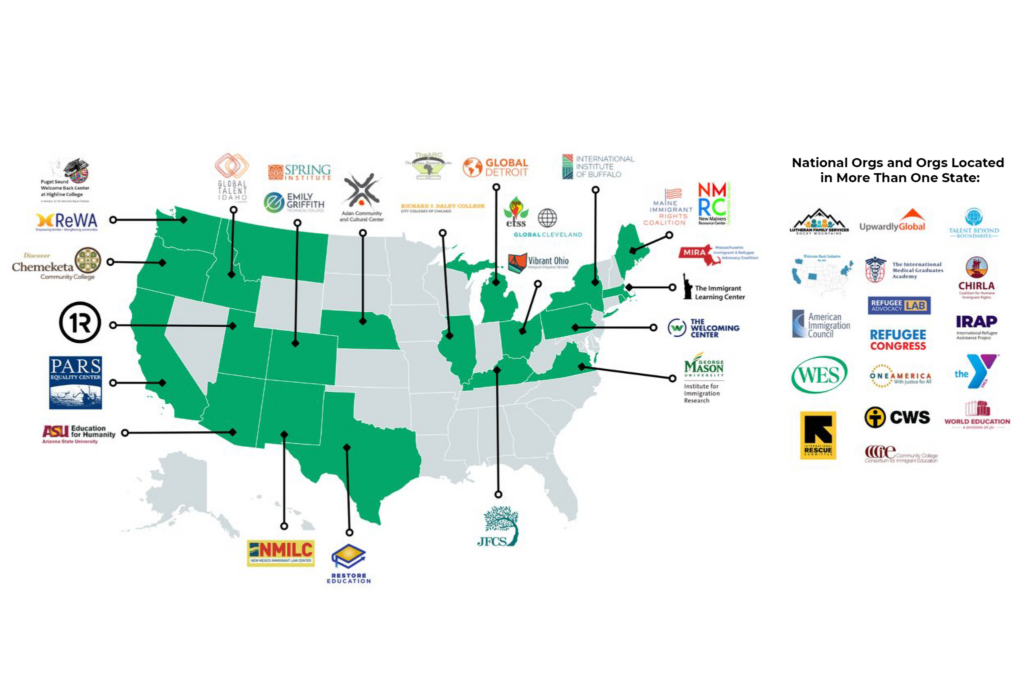
From Alaska to Maine to Texas, SIIP partnered with more than 45 cities, regions, and states, working with stakeholders that value and support the experience, skills, and contributions immigrants bring to the U.S. workforce. Through hands-on technical assistance, coaching, and network building, WES supported state and local governments, non-profits, community colleges, and other stakeholders as they built and scaled promising local solutions. In total, SIIP engaged seven cohorts of communities over eight years.
A defining strength of SIIP has been its cultivation of state and local multi-sector networks. By intentionally bringing together stakeholders who don’t always share the same room, but whose decisions deeply affect one another, SIIP created the conditions for faster problem-solving and better coordination.
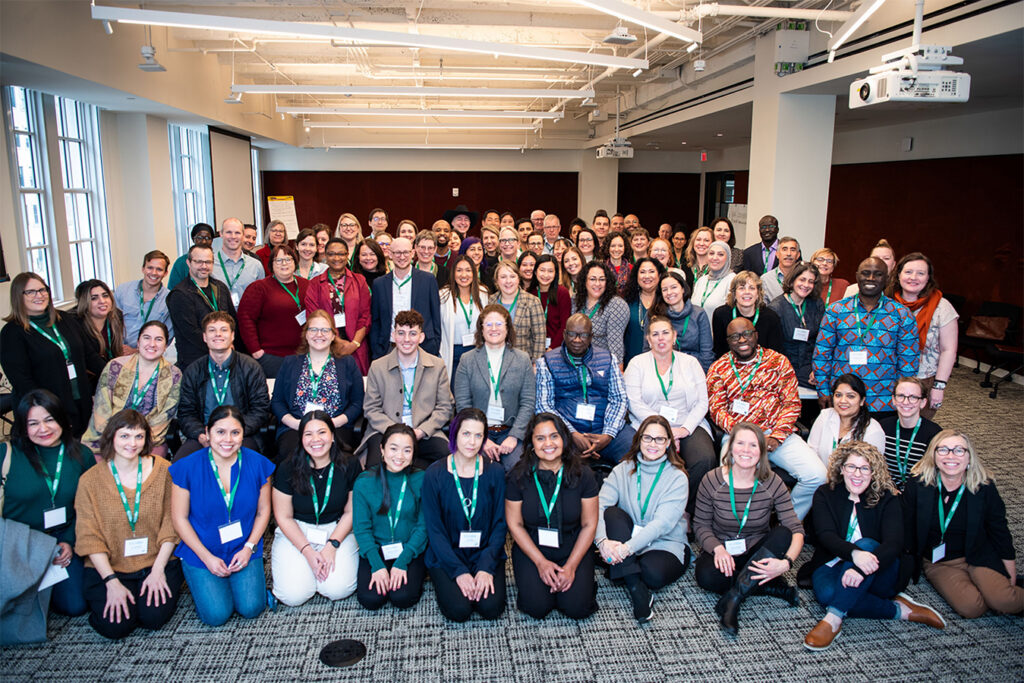
The annual in-person convening remained a catalyst for relationship-building and action. The broad range of attendees brought a diversity of ideas that continue to have a positive effect on SIIP communities.
SIIP didn’t end when a cohort year wrapped. Alumni communities remained connected through quarterly training sessions, thematic working groups, and engagement in the SIIP annual convening. In 2023, SIIP launched its first Alumni Exchange Cohort, pairing alumni sites for in-person, cross-site visits. The exchange provided alumni with opportunities to see systems change work in action and explore replicable models directly.
Key Accomplishments Across Cohorts
Throughout its cohorts, SIIP developed a national network of community-based organizations, educational institutions, and government agencies at both the state and local level. Together, these partners tackled local challenges and expanded economic opportunity for immigrants. Below are some highlights from this journey.
Establishing an Employer Hub in Portland, Maine
SIIP partner Portland chose to focus on strengthening its ability to connect local employers with immigrant talent. After the program year, the city’s Office of Equal Opportunity hosted forums to showcase the potential of internationally trained workers and established an employer advisory board, paving the way for a dedicated employer hub.
Elevating Skilled Immigrant Integration as a Regional Priority in St. Louis, Missouri
The International Institute of St. Louis (IISTL) led a public education campaign and convened more than 100 cross-sector stakeholders to build momentum and raise awareness across the region. IISTL secured new resources (including an Office of Refugee Resettlement Refugee Career Pathways grant) and launched the Immigrant Career Pathways program, providing individualized career planning, credential guidance, and employer connections for skilled immigrants. In the years since its participation in SIIP, IISTL has continued to convene a vigorous regional network, integrate immigrant talent into workforce and economic development conversations, and leverage the SIIP alumni network to support longer-term systems change.
Strengthening Statewide Coordination in Texas
Through SIIP, Texas established a robust statewide network of adult education providers and created a centralized resource portal. The initiative also shared protocols for case management and service delivery, ensuring more consistent, career-aligned approaches to serving internationally trained immigrants. Texas expanded professional development and tools (including educator career pathway guides, statewide webinars, and a train-the-trainer model) to help providers better assess prior education, skills, and career goals. All of this led to increased recognition of skilled immigrants, expanded career navigation services, and a stronger foundation for sustainable, coordinated service delivery across the state.
Reducing Re-Credentialing Barriers and Expanding Capacity in Louisville, Kentucky
After joining SIIP, Louisville-based organizations launched a revolving loan fund specifically to help internationally trained immigrants address the costs of re-credentialing. With more than 20 loans issued and a 90 percent repayment rate, the fund nearly doubled in size. The partners also secured funding for a full-time role focused on immigrant workforce inclusion, strengthening training and impact assessment for workforce centers that were serving immigrants who held international credentials. These efforts deepened collaboration among workforce agencies, financial institutions, and employers, expanding access to high-demand careers across the region.
A First-of-Its-Kind Cohort for Professional Licensing Bodies
SIIP introduced its first cohort focused specifically on professional licensing bodies, bringing together leaders from Colorado, Maine, Utah, Vermont, and Virginia, as well as partners that included the Brattleboro Development Credit Corporation. Together, the cohort advanced progress in health care licensing, shared approaches across states, and collaborated on rulemaking brainstorming—demonstrating what’s possible when licensing and workforce inclusion efforts align.
Building on This Work: The WES Policy and Practice Network
The SIIP story is ultimately one of communities choosing collaboration—linking policy, education, workforce systems, and employers to open doors for immigrant talent. This work is the foundation of what comes next for WES. The launch of the WES Policy and Practice Network unites SIIP and other partners into one unified network—aligning policy, practice, and narrative work to advance economic inclusion for immigrants.
Shifting narratives and changing policies and practices isn’t something any one organization does alone. It requires people with different perspectives, relationships, and expertise to move together in the same direction. The partners who made SIIP what it was share that commitment, and WES is building on it.
This progress over the past decade was made possible thanks to the dedication of more than 100 SIIP partner organizations in 45 communities, all committed to fostering meaningful, lasting change and advancing economic inclusion for immigrants.


Want to stay in the loop?
Sign up for our Newsletter. We’ll share updates, what we’re learning, and opportunities through our email list.