Flourishing Together: Lessons from the WES Partner Gathering
When WES Investments convened our first Partner Gathering in 2023, we wanted to create a space to reimagine our role as capital allocators and recommit to grounding our investing practice in mutual respect and accountability. This felt especially important as we began our journey towards a one hundred percent mission-aligned portfolio by 2030.
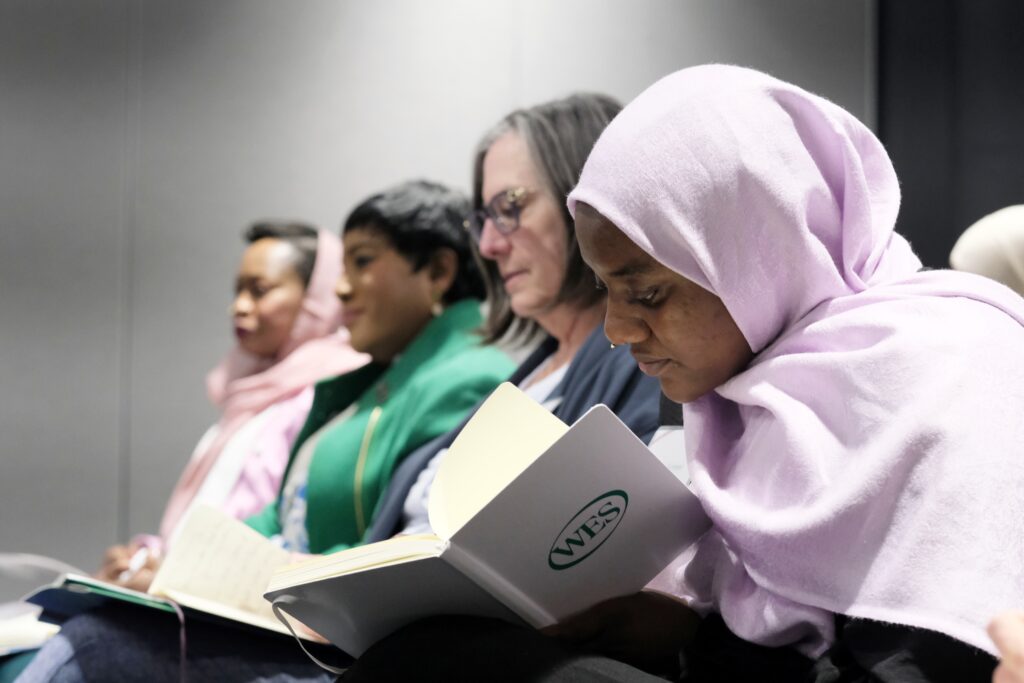
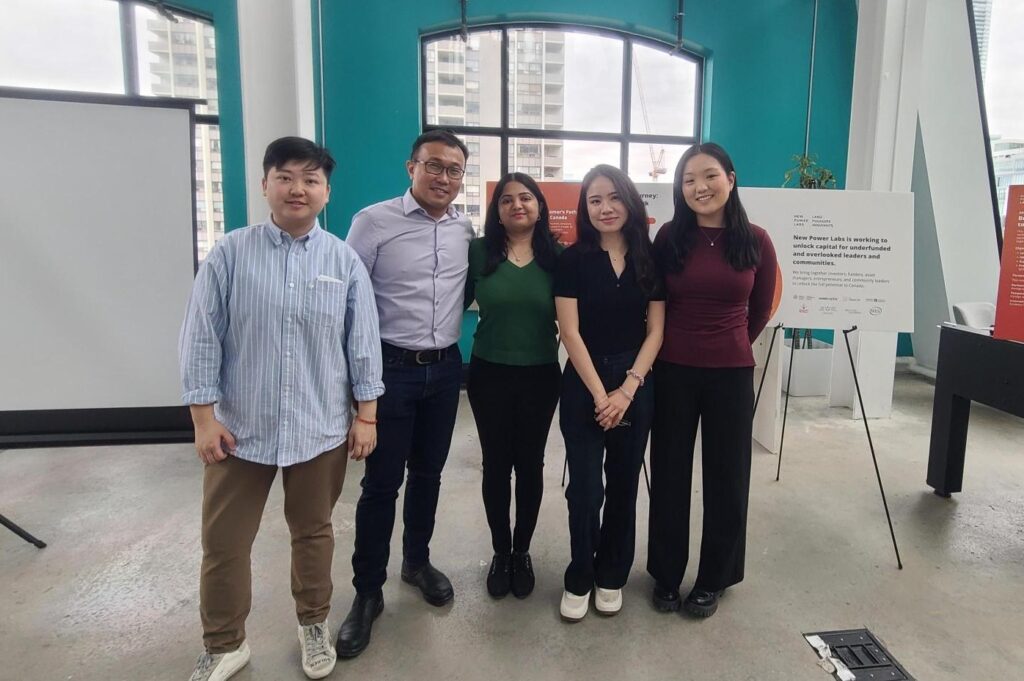
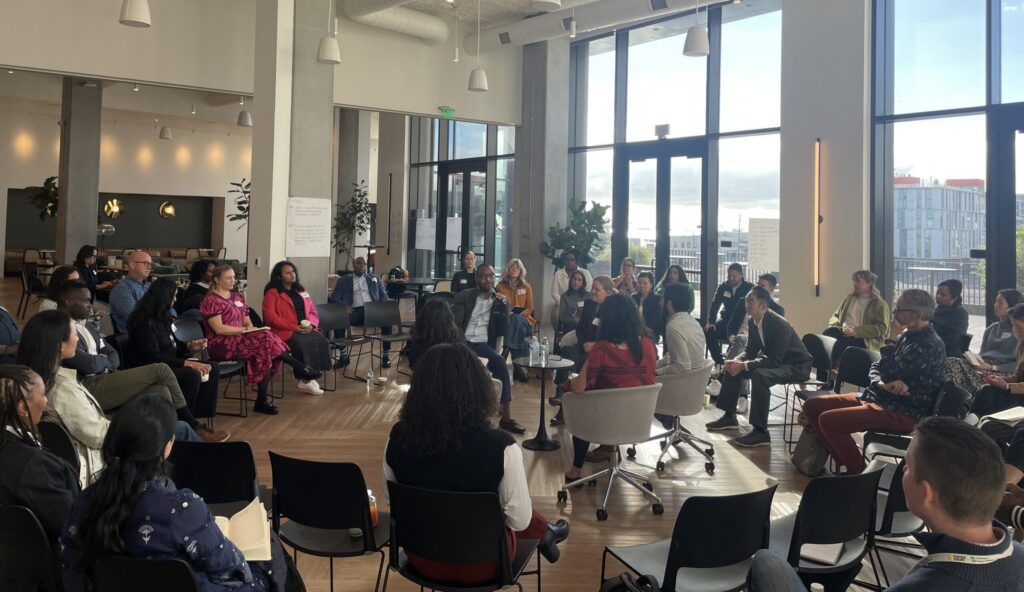
In October, we hosted our third annual Partner Gathering. We invited passionate, impact-driven investee and ecosystem partners as well as peer capital allocators to connect, engage, and build relationships. We facilitated a fishbowl discussion where everyone could move fluidly between listening and sharing, reinforcing the value of collective wisdom.
The discussion brought to the surface powerful lessons about how our collective flourishing as a community of impact investors and practitioners depends on transparent relationships, inclusive capital allocation, and a willingness to challenge the status quo. Here are a few key takeaways from our conversation:
The True Currency of Impact Investing Is Trust and Accountability, Not Dollars.
As investors, we are taught to analyze risk: If I invest, will I receive the financial and impact returns promised? Participants emphasized that the greatest risk mitigator is a balance of trust and accountability, concepts that are deeply interconnected, even when they can feel at odds.
“Trust is something that you are constantly rebuilding in these relationships. Every step of the investment process has the opportunity to both diminish trust and rebuild trust. There are moments where you can show up and reinvest in the relationships to show up for partners.”
—Margot Kane, Chief Investment Officer, Spring Point Partners
Participants wondered what mutual accountability could look like if capital allocators and practitioners committed equally to shared impact goals and a collective vision for the future.
Dismantling Structural Barriers Is Not Only Possible, It’s Already Happening.
Emerging and diverse fund managers continue to face entrenched barriers to entry, sustainability, and scale. Attendees shared experiences related to ingrained biases in fundraising, limited access to capital call facilities, and restrictive due diligence practices.
“We are all working with economics that don’t work. That is the reality. We are trying to juggle the pressure to keep fee and partnership expenses low but also work in a way that is authentic to who we are [as fund managers].”
—Andi Phillips, Founder and Managing Partner, Maycomb Capital
Both practitioners and allocators have a role to play in dismantling systemic issues. That’s why WES supports partners that are building scaffolding for emerging managers. Mission Driven Finance (MDF) and Rhia Ventures exemplify this work.
MDF designed and deployed the Capital Partners fund, an innovative finance vehicle to get capital flowing where it typically does not. Since WES invested in MDF CP in 2024, the Capital Partners fund has deployed more than $8 million in warehousing, bridge financing, co‑investment, working capital, and subscription line loans—tools that are commonplace in traditional finance but often inaccessible to emerging managers. MDF CP demonstrated strong demand and proved that financial and impact returns can be mutually reinforcing.
Meanwhile, ecosystem partner Rhia Ventures is addressing bias in due diligence through its systems change strategy. Its Due Diligence 2.0 framework holds signatories accountable to practices that shift bias and catalyze capital movement to underrepresented managers.
Scale Is Not One‑Size‑Fits‑All in Impact Investing.
As the field matures, a critical question emerges: What does the right sustainability pathway look like for different impact models? Growth is not always appropriate; in many cases, replication—not expansion—is the truest path to preserving impact, particularly for models rooted in proximity and trust.
At the same time, segments of the ecosystem, including CDFIs, early‑stage funds, and sub‑scale managers, face increasing operational pressure and volatile capital flows.
Investors can help organizations navigate inflection points and build long-term resilience by supporting mergers and shared services, as well as low‑cost working capital, legal support, and bridge financing. Ultimately, rather than asking whether one institution can scale, the more powerful question is, how can networks of aligned efforts grow together?
What’s Next?
We are deeply grateful to our partners and peers for joining us, sharing their wisdom, and strengthening relationships with us and with each other. We knew that bringing together passionate, impact‑driven, kind humans from across our partner network and peer allocator community would spark magic, and it did.
“I love the power that is in this room. Let’s use our collective voice and influence to move money differently.”
—Betty Francisco, Boston Impact Initiative
By the end of 2025, WES Investments reached a major milestone: More than 50 percent of our total portfolio is now aligned with our mission. As we continue increasing deployment and moving toward one hundred percent mission alignment, we will rely on what we learn from these gatherings and the deep relationships that sustain them to continue moving this work forward.
We continued this work this month through our April virtual partner gathering that built on the momentum of our in‑person time together. The conversation reaffirmed that trust is not built in a single moment, but strengthened through ongoing presence, care, and follow‑through.


Want to stay in the loop?
Sign up for our Newsletter. We’ll share updates, what we’re learning, and opportunities through our email list.