Honoring the Achievements of the Strengthening Immigrant Inclusion Program
State and Local Solutions
Advancing more equitable and inclusive workforces and economies—where the credentials, education, and experience of immigrants and refugees are fully recognized—remains essential to building thriving communities.
Through the Strengthening Immigrant Inclusion Program (SIIP) and the SIIP Demonstration Opportunity, WES partnered with state and local governments, non-profit organizations, community colleges, and other stakeholders to expand and elevate effective practices in immigrant workforce inclusion. These programs provided technical assistance, coaching, and network-building opportunities that helped leaders strengthen and scale innovative strategies in their communities.
Although these programs have concluded, the progress achieved—and the partnerships formed—continue to inform and inspire efforts to build more inclusive economies nationwide.
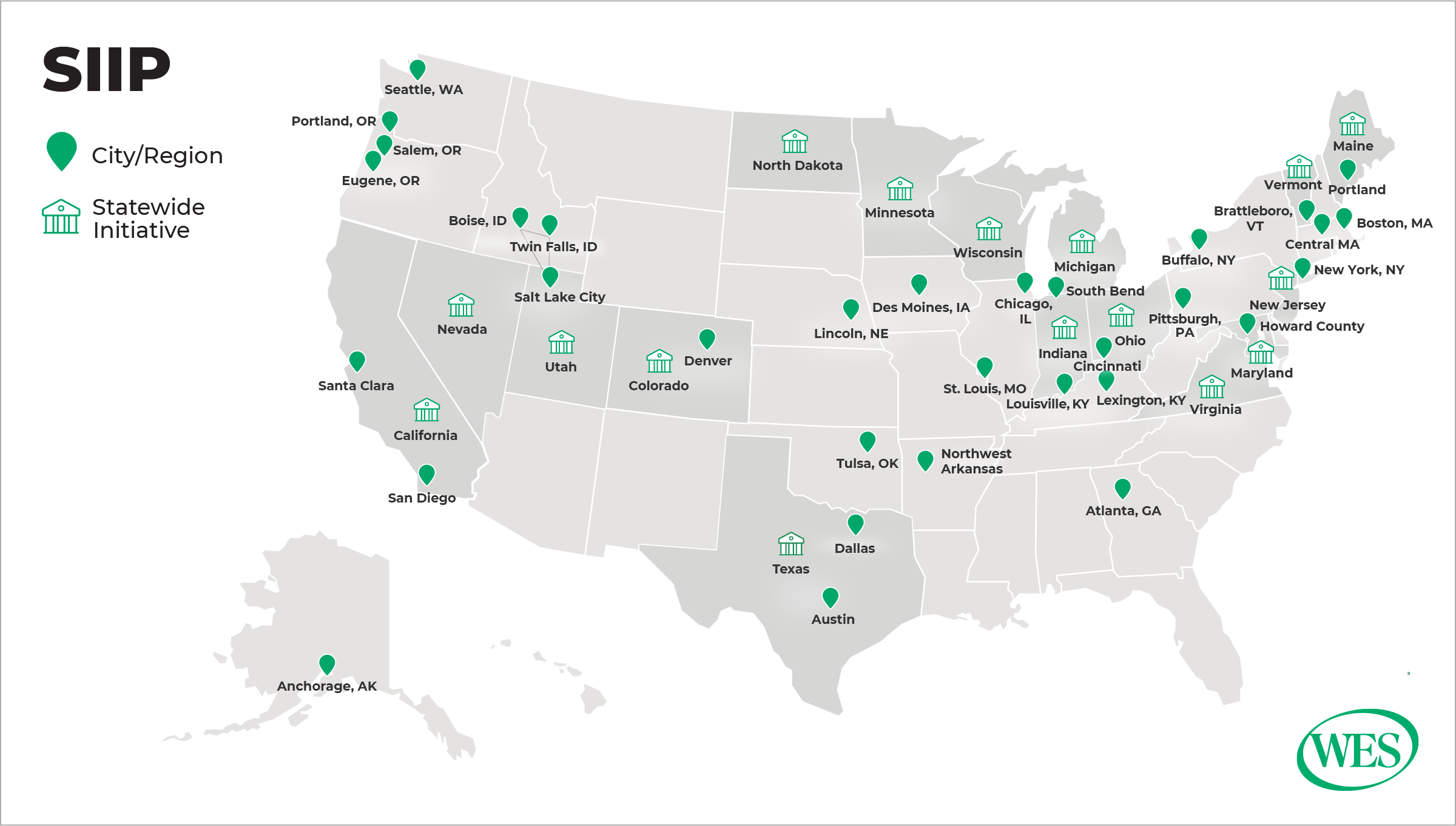
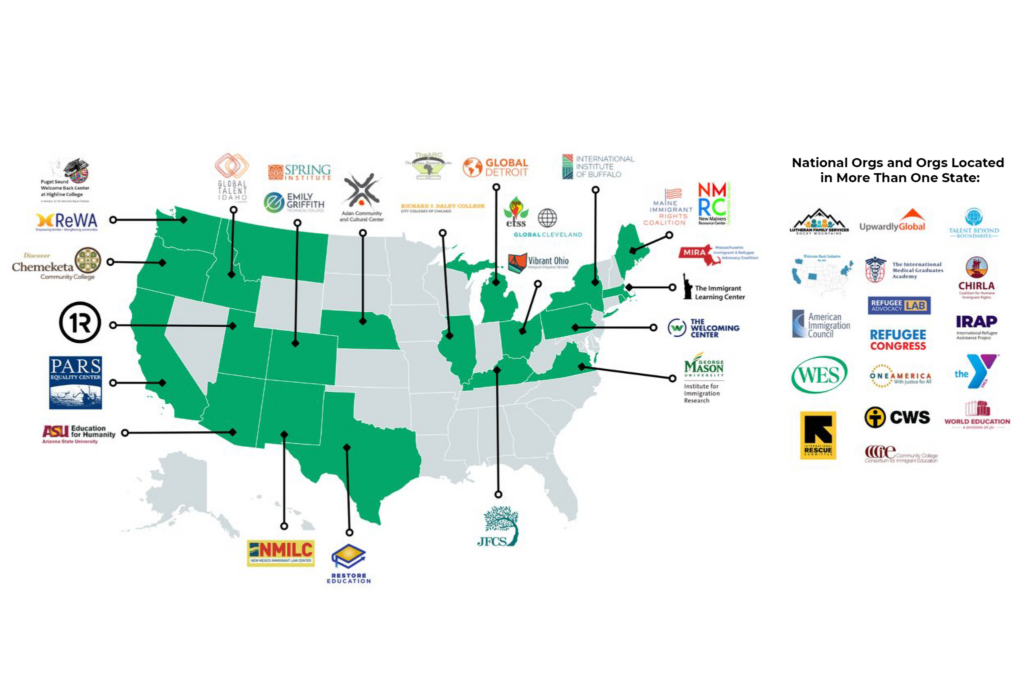
Map of the Strengthening Immigrant Inclusion Program Communities
Innovation and Collaboration
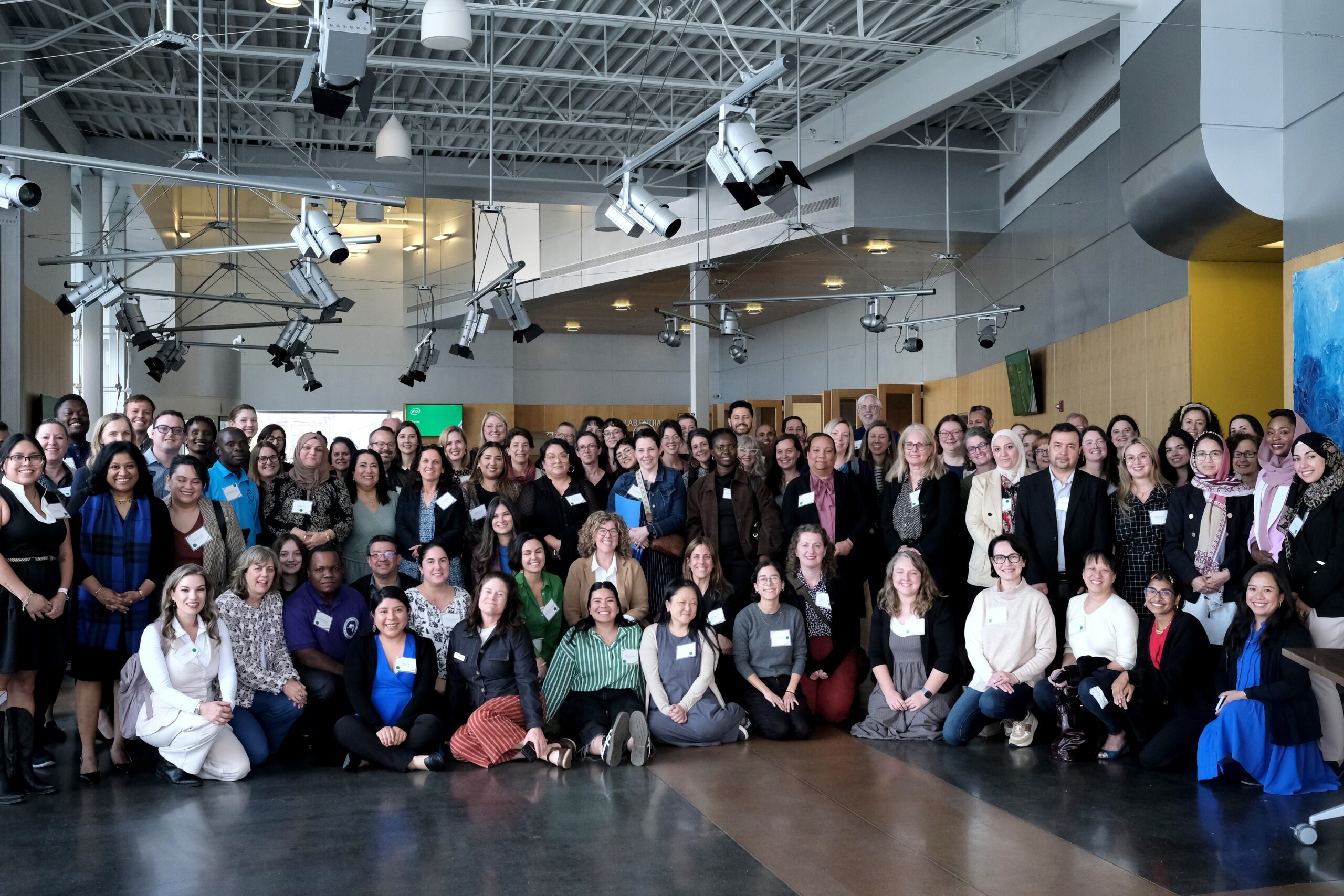
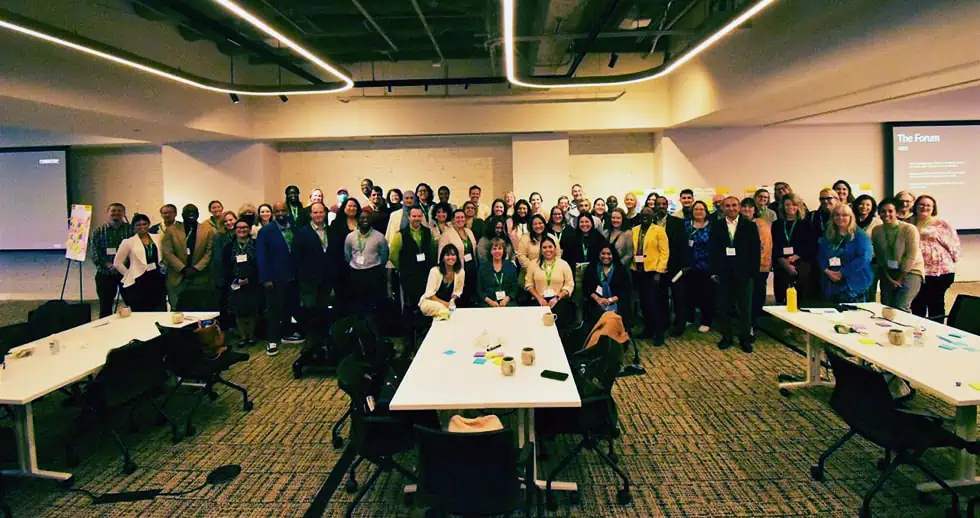
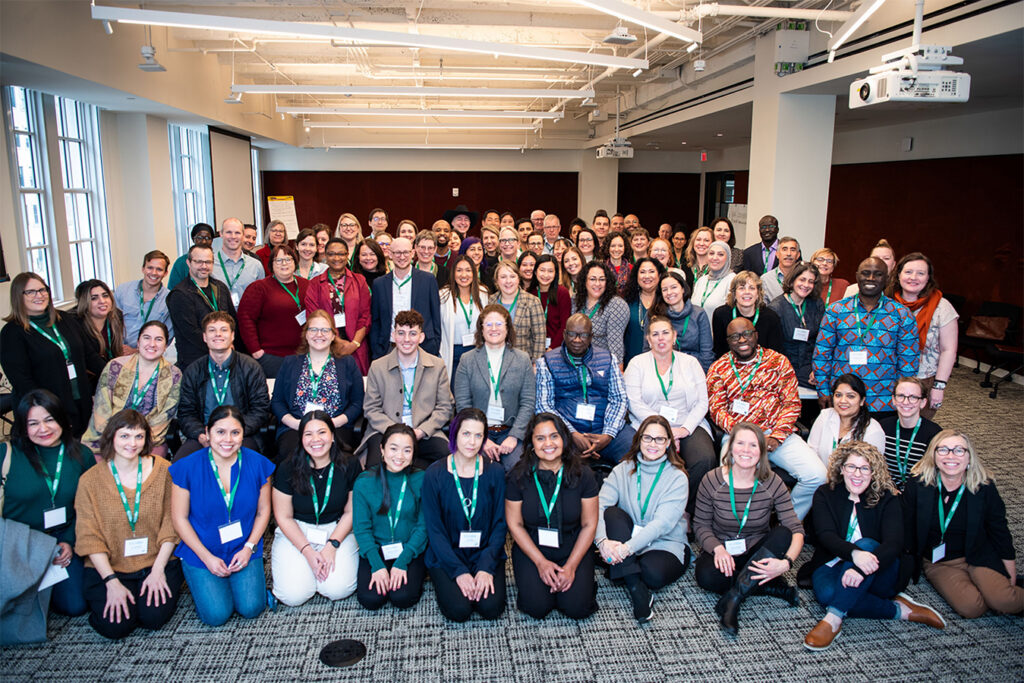
Founded in 2017, SIIP and the SIIP Demonstration Opportunity helped cities, regions, and states advance the inclusion of internationally trained immigrants by delivering customized training, coaching, technical assistance, and strong collaborative networks. More than 45 SIIP communities and four Demonstration Opportunity cohorts used these programs to coordinate multi?sector partnerships and strengthen local efforts to support immigrant career success. The annual SIIP Convening brought these partners together—most recently drawing more than 100 participants from 30 communities and multiple sectors. Although these initiatives have concluded, they continue to influence our work championing new approaches to workforce development and immigrant economic inclusion. WES remains committed to engaging communities in our work.
Success Stories from Previous SIIP and SIIP Demonstration Opportunity Cohorts
The 45+ communities in the SIIP and SIIP Demonstration Opportunity networks took full advantage of the partnerships and resources to develop and execute plans to advance their immigration and refugee inclusion efforts. Read more about how SIIP alumni and partners succeeded in fostering employer engagement, local and regional partnership building, and engaging community colleges.

Boise, Idaho & Salt Lake City, Utah
Idaho and Utah have been significant refugee resettlement hubs for decades, but recent federal restrictions have resulted in sharply decreased arrivals and new challenges to local workplace development programming. With the help of SIIP, Idaho’s Global Talent and Utah’s One Refugee were able to form and lead an effective cross-regional cohort to expand workplace development programming, advance coaching services, and build support and awareness for the challenges faced by internationally educated refugees in the area.

Buffalo, New York
Continuing a hundred years of experience championing local immigrants and refugees, the International Institute of Buffalo (IIB) partnered with SIIP to better serve the growing population of immigrants in Buffalo, which represented more than 10 percent of the city’s population in 2020. With the help of SIIP, the IIB was able to create a series of career pathways guides, form a partnership with the WES Gateway Program, and establish a new mentoring program to help immigrants and refugees network with local professionals in their fields.

Lincoln, Nebraska
To better serve their growing numbers of internationally trained refugee and migrant arrivals, Lincoln, Nebraska’s New American Task Force (NATF) and EmployLNK partnered together to join the SIIP in 2019. Starting with a first-of-its-kind community survey and subsequent extensive career guides, the partners’ work eventually expanded into the impressive CareerLadder Project designed to connect individuals with technical assistance and in-demand jobs. Lincoln’s SIIP cohort has made other significant partnerships since then, working on positioning CareerLadder as a statewide resource and continuing their important work in creating a more inclusive workforce in Nebraska.

Louisville, Kentucky
When Louisville-based organizations joined SIIP in 2017, the region was struggling to fill 30,000 open jobs and establish robust employment training programs focused on immigrant workforce inclusion, despite being home to over 75,000 immigrants and refugees. SIIP helped these organizations bridge the gap by strengthening the partnership of the cohort and enabling them to secure long-term financial support for re-credentialing and training efforts, ultimately working to open several career pathways for internationally trained individuals in the region.

Nevada
Immigrants and refugees make up nearly 20% of Nevada’s population, but nearly 40% of internationally educated individuals are unemployed or underemployed. To help rectify this, Nevada’s Governor’s Office of New Americans and joined SIIP in 2020 to help establish the Immigrant Workforce Development Group (IWDG), a partnership of several local agencies and stakeholders, to develop a two-year plan for greater coordination, funding and programming across the state and shine a spotlight on immigrants and refugees with international degrees.

Portland, Maine
Faced with an aging population and acute labor shortages, the Portland Office of Economic Opportunity (OEO) joined SIIP in 2018 to boost economic inclusion of the growing population of immigrants and refugees across Maine. The OEO was able to make significant strides in addressing prominent licensing and certification barriers, establishing a strong mentorship program, and even passing notable legislation focused on immigrant recruitment, retention, and employment. The efforts of OEO and SIIP together ultimately positioned Maine as a leader in immigrant and refugee inclusion.

St. Louis, Missouri
Home to one of the country’s fastest-growing immigrant and refugee populations in the country, St. Louis recognized an important gap in the underemployment of internationally trained refugees and immigrants and the opportunity to boost their local economy. The International Institute of St. Louis (IISTL) joined SIIP to help address systemic barriers to immigrant and refugee employment, launching two career pathways programs and an extensive public education campaign and bringing together local and national stakeholders in efforts to facilitate immigrant workforce inclusion.

Texas
When Texas’ Adult Education and Literacy (AEL) program selected a group of adult educators to join SIIP in 2019, they had a clear goal in mind: to bridge the gap between the over 100,000 underemployed immigrants and refugees and the many Texas businesses struggling to fill a gap in employment. With SIIP’s help, AEL was able to create a streamlined resource hub for both students and service providers, and eventually formed a strong partnership called Synergy Texas, a group dedicated to facilitating the employment of internationally educated people across the state.

Michigan
Michigan’s Office of Global Michigan has taken a proactive approach to promote workforce inclusion for immigrants and refugees, including the creation of resources such as occupational licensing guides and collaborating with other agencies and organizations. The Office of Global Michigan’s involvement in national initiatives like SIIP has positioned the state as a lead example in promoting immigrant and refugee workforce inclusion by increasing equity in hiring practices and facilitating employment connections between state agencies and immigrant and refugee job seekers.
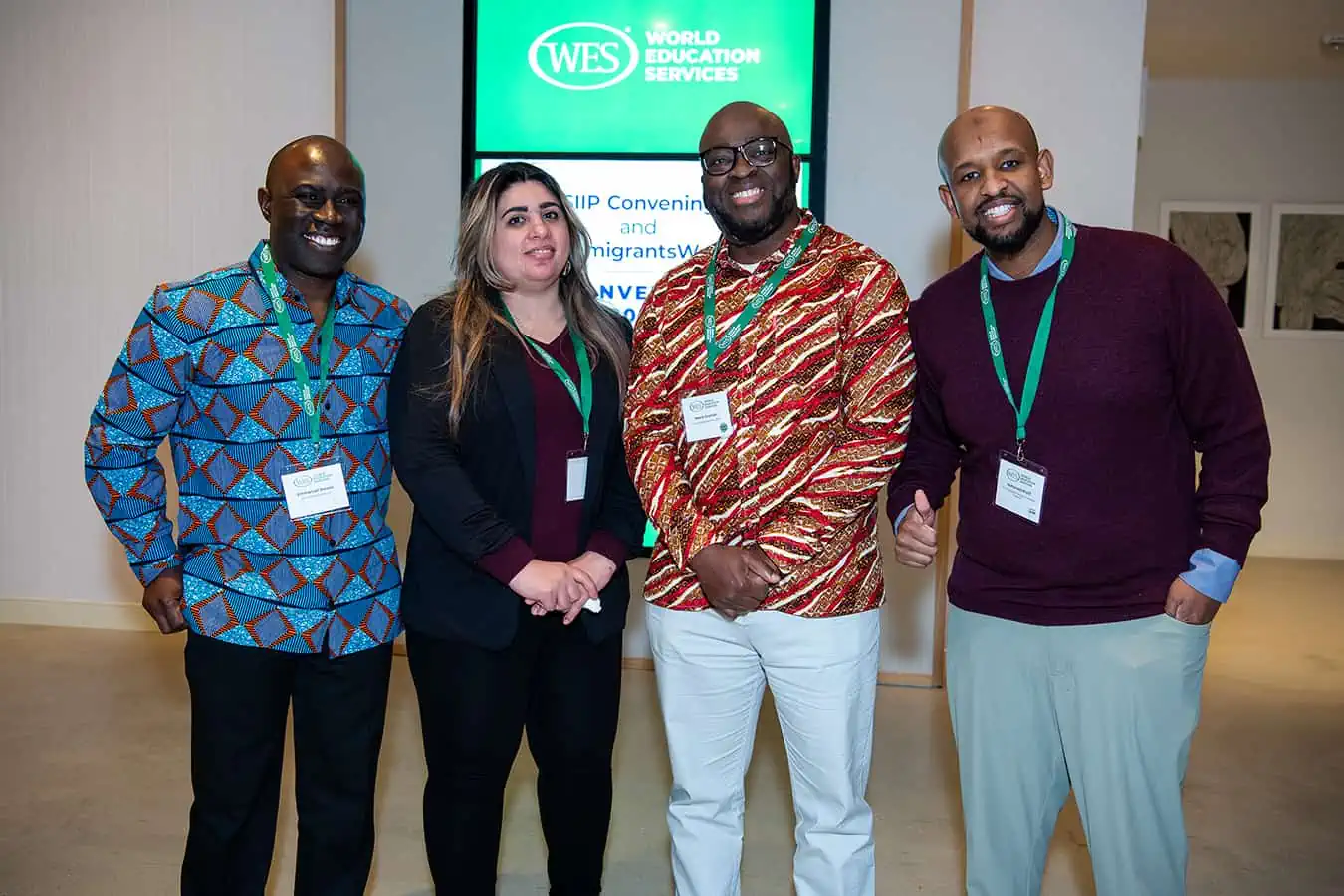
African Bridge Network (ABN) and The International Medical Graduates Academy (TIMGA)
SIIP partners African Bridge Network and the International Medical Graduates Academy are actively working to integrate internationally trained health care professionals into the U.S. workforce, addressing significant shortages in the sector. Through tailored training and support, they help these individuals overcome barriers to employment and contribute their valuable skills to the health care system.

States Using Federal Funding To Make Credential Evaluations Accessible
Three SIIP participants in Texas, Nevada, and Idaho have used a variety of federal and state statutes and existing funding structures to fully pay for credential evaluations for their internationally educated immigrant and refugee clients. These examples demonstrate SIIP participants’ ingenuity in effectively directing existing and available federal and state dollars.

Celebrating the Completion of the SIIP 2022-2023 Program Year
In early August 2023, the 2022-2023 SIIP cohort held its final quarterly call, culminating the successful launch of a new iteration of the program’s structure. The 16 participating communities collaborated in sub-cohorts that centered on four thematic focus areas: Advancing and Retaining Internationally Skilled Employees, Creating Career Navigation Tools and Resources, Developing Contextualized Digital Skills Opportunities, and Workforce Board Partnerships. This new SIIP structure created intimate communities of practice, uniting cities, regions, and states working on similar initiatives to support internationally trained and educated immigrants and refugees.

Immigration Is a Workforce Strategy
For decades, demographers and economists have warned of the economic consequences of aging populations and falling birth rates in the United States. And while we may have accepted the reality of demographic change, we’ve been slow to address it at the national level. Increasingly, that reality is easy to see. Across the country, hospitals struggle […]
Kit Taintor |
The Lasting Impact of SIIP
Looking back on eight years of the Strengthening Immigrant Inclusion Program (SIIP)—launched in 2017 as the Skilled Immigrant Integration Program—one thing is clear: Communities that come together with a shared commitment to immigrant workforce inclusion can effect meaningful systems change. In fact, SIIP’s most powerful legacy may be the value of building networks and collaborating […]
Katherine Gebremedhin and Leticia Farrera |
Looking Back at IMPRINT Coalition Achievements
WES launched The IMPRINT Coalition (IMmigrant PRofessional INTegration) in 2011 to address the persistent challenge of immigrants with international training being excluded from opportunities. This persisted despite workforce shortages and employers’ demands for talent. To address this gap, the coalition convened service providers, advocates, and educational institutions to share best practices, coordinate advocacy efforts, and […]
Natalie El-Deiry |

From Legislation to Practice: Lessons from Idaho’s Internationally Trained Physician Pathway
Nowhere in America is the national health care worker shortage more acute than in Idaho. It currently ranks lowest in the country in physicians per capita. Idaho’s health care workforce, like that of many rural states, is shrinking faster than it can be replaced. Against that backdrop, Idaho passed legislation in 2024 to create an […]
Natalie El-Deiry |