

Built
to Work
A Framework for Designing Immigration and Integration Systems for Success When immigration and integration function as one economic system, everyone thrives.
About the Framework
Communities across the U.S. face workforce shortages that impact economic growth and community vitality. An aging population means that building our domestic workforce is essential yet insufficient for long-term prosperity. The skills and expertise brought by immigrants can address this problem and will do so most successfully when thoughtful integration planning ensures that skills are fully recognized and matched with local labor needs.
To imagine a more responsive and durable approach to meeting the nation’s economic and community needs, this framework advances two connected ideas:
- Building stronger integration capacity so communities can recognize and make full use of immigrant talent
- Designing immigration pathways that produce better outcomes for everyone
Strengthen Integration Capacity
When communities build the capacity to integrate immigrants into the workforce—and treat that capacity as core economic infrastructure—they can strengthen their economic health and meet current and future workforce needs.
Include immigrants and immigration in the workforce and economic planning structures that shape opportunity for everyone.
Bring regional knowledge of labor markets, employers, workers, and community conditions into system design and implementation.
Establish routines for reviewing the local workforce landscape, outcomes, and stakeholder feedback, rather than relying only on static assumptions or national averages.
Align funding and incentives to design durable, scalable systems for credential recognition, workforce navigation, coordination, employer engagement, and data use.
Design Immigration Pathways with Successful Integration in Mind
Immigration pathways are more likely to succeed when they are informed by the same principles that support successful integration and are connected to the systems that help people contribute over time.
Use the knowledge, partnerships, data, and experience developed through state and local integration efforts to inform immigration policy and pathway improvement.
Connect pathways to workforce and integration infrastructure and align them with changing economic conditions, community priorities, and opportunities for stability and advancement. This will allow immigrants to quickly access jobs that match their skills and experience while supporting local workforce and economic development goals.
Track whether pathways help workers make use of their skills, help employers meet persistent needs, and produce visible community benefits. Use those results and ongoing feedback to improve immigration policies and strengthen public confidence in immigration pathways.
Explore Our Briefs
Built to Work offers practical solutions, not a one-size-fits-all approach. Preview tailored briefs summarizing the framework’s key ideas, actions, and proposed agendas for systems change leaders, state and local officials, federal policymakers, and business and industry decision makers.
Built to Work offers practical recommendations for all systems change leaders. This brief highlights ways to bring immigration and integration together as economic infrastructure to recognize talent, support good work, and turn opportunity into shared prosperity.
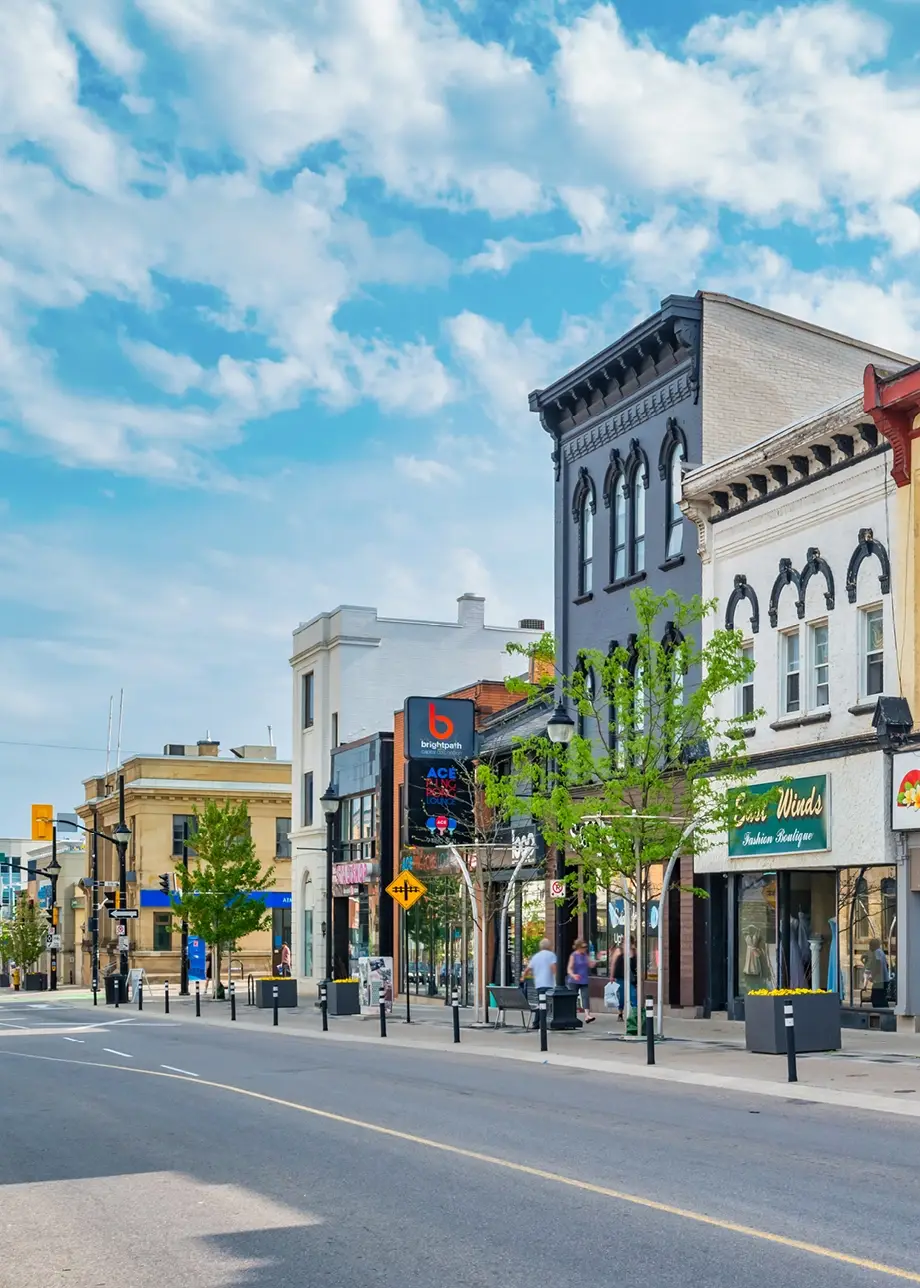
State and local leaders know their communities best: the workforce needs, local assets, and barriers people face. This brief highlights how Built to Work helps these leaders best shape systems that ensure immigrant talent is fully recognized to produce stronger outcomes for communities and immigrants alike.

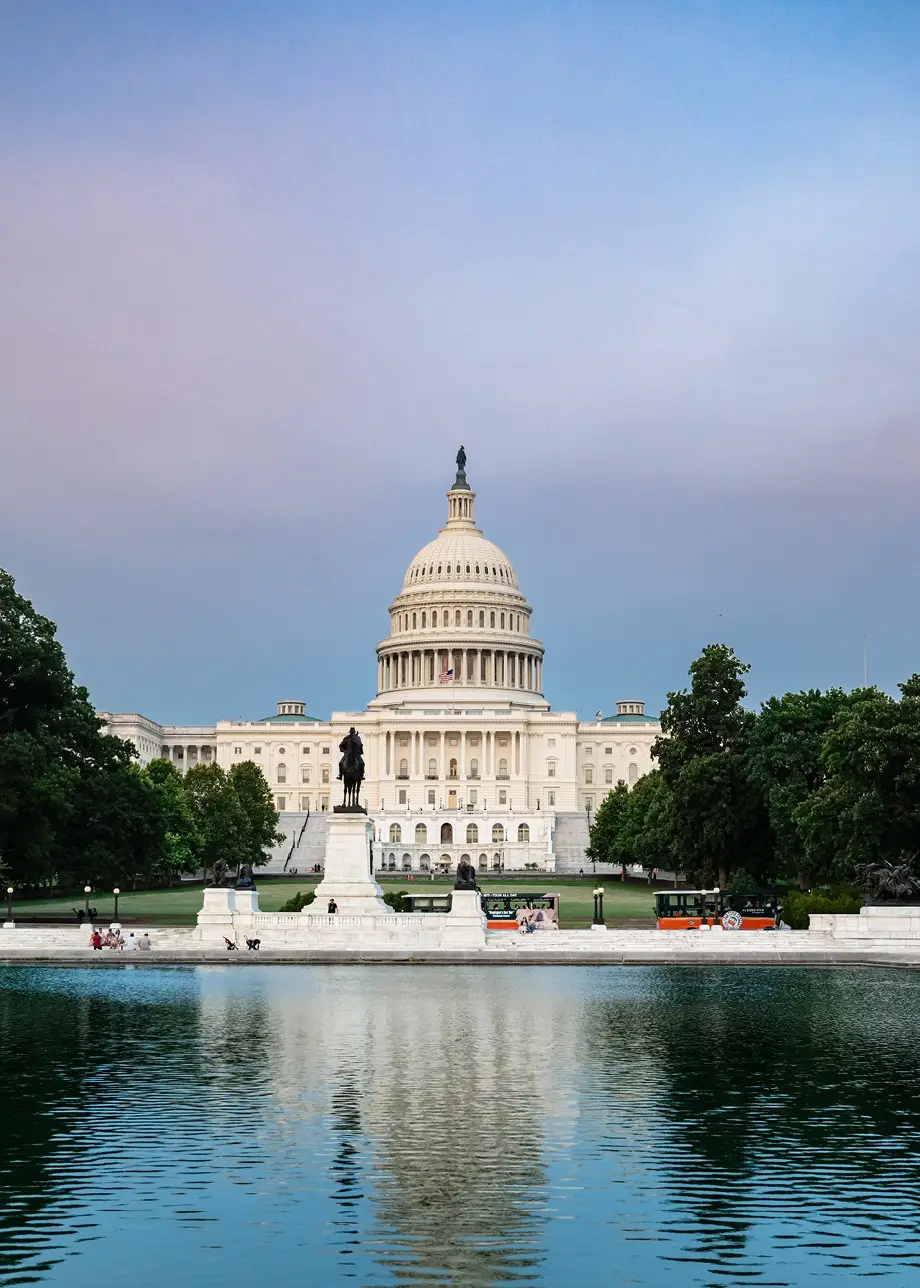
Built to Work is a resource for federal policymakers seeking to bridge immigration and integration. This brief highlights how building integration capacity through credentialing, skills verification, and job matching can address workforce shortages and inform smarter immigration pathways that benefit everyone.
Employers and industry leaders need access to skilled talent and reliable pipelines. This brief previews how Built to Work supports lower recruitment costs, improved retention, and more resilient local economies by closing the gap between talent and opportunity.

Insights & Ideas





Ways to Connect with WES
Have questions or want to learn more? Email us at [email protected].
Sign up to receive our monthly digest through the WES Policy and Practice Network. This network brings together organizations and institutions committed to advancing immigrant inclusion, widening access to opportunity, and supporting workforce development.